
Our Approach
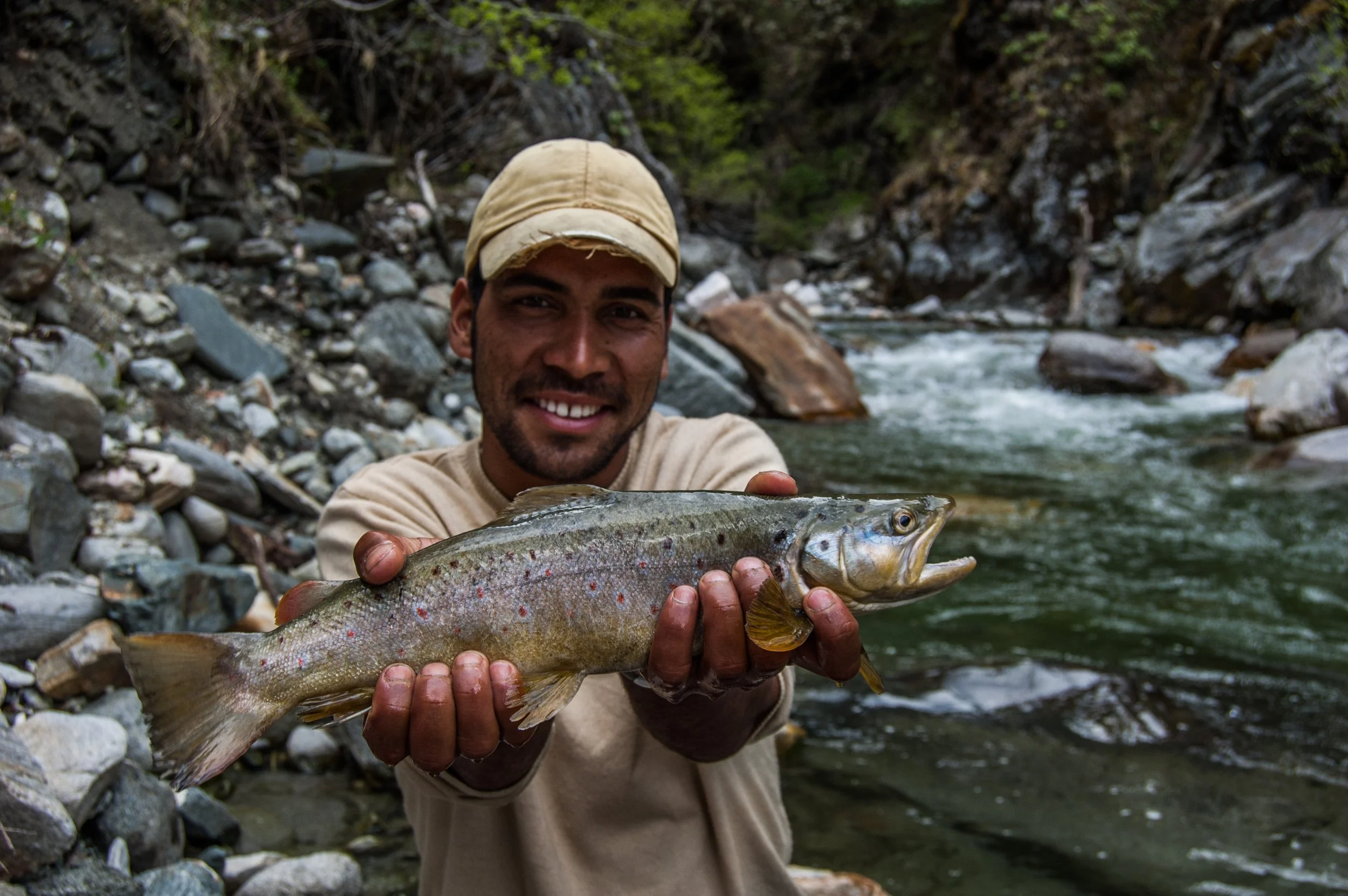
Since Bevra’s founding, the mission has always been centered on repopulating the unique strain of brown trout that had been thriving in the Assi Ganga for over a century. With that at our core, our approach to repopulation has been designed entirely around the river and its fish. Re-stocking and sustaining a healthy brown trout population in the Assi Ganga is the center of our work — but to achieve that, Bevra must be more than a basic hatchery. This is where our broader stewardship mission comes in. To better understand how Bevra operates and plans to accomplish our mission, please read further.
-
To keep our unique strain intact, Bevra will source broodstock only from the Assi Ganga River. We collect sexually mature, fertile fish during December and January, the natural spawning season. Then strip and fertilize the eggs and hatch them in our rearing center adjacent to the raceways.
-
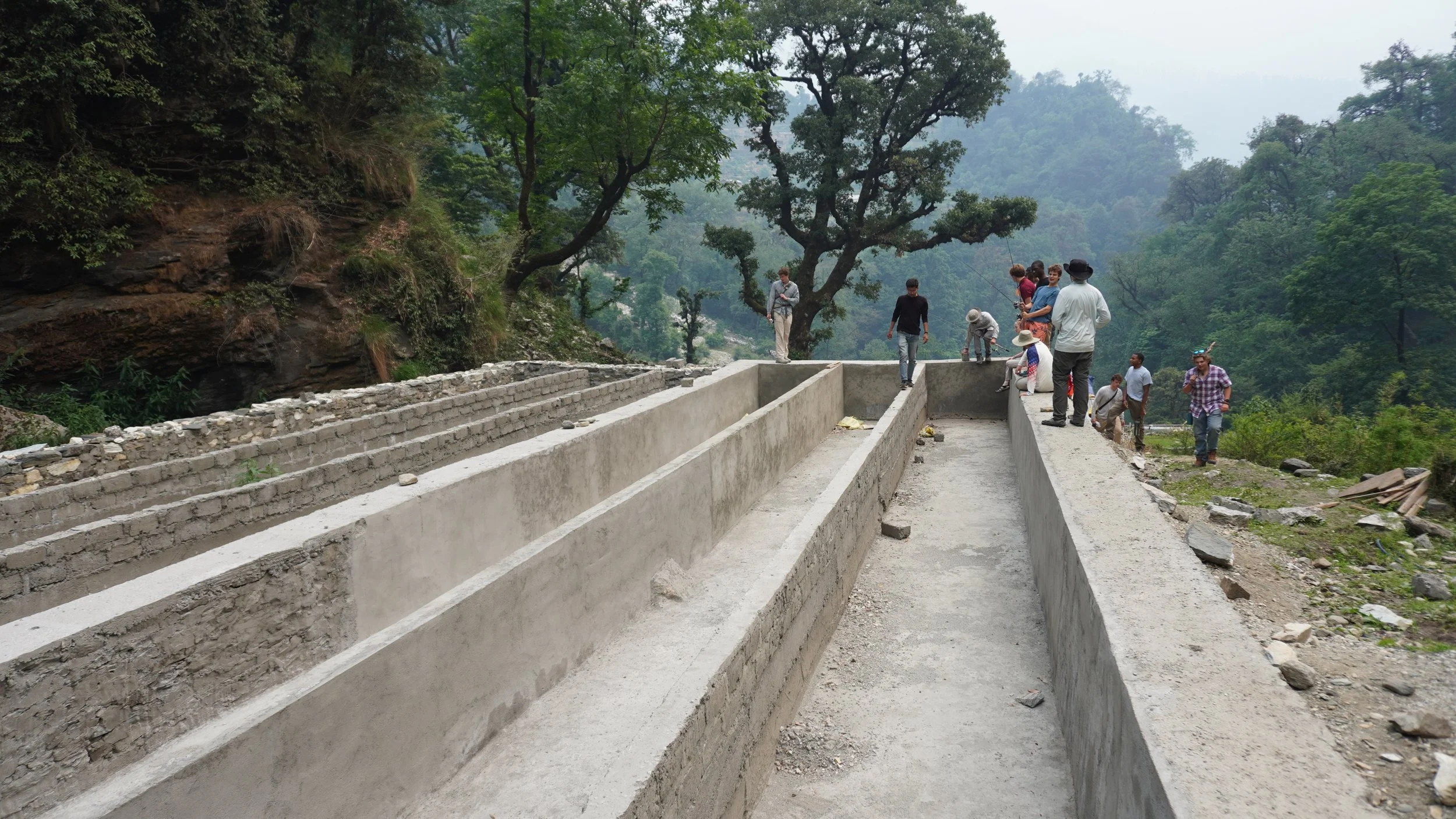
Bevra is a raceway hatchery with four active raceways. At the top of the system sits a large 700-gallon sediment tank that filters out sediment and particulates and serves as a backup water reserve in case flow is temporarily interrupted. All hatchery water comes from Bevra Gad, just 30 feet away; fed completely by Himalayan glaciers, it remains cold and highly oxygenated year-round. (The water also supplies the drinking water for nearby Agora village.) Once trout reach the appropriate size, they are moved into the raceways and grown until they are ready for stocking.
-
Unlike many hatcheries in the United States and other game-fishing destinations, Bevra stocks fish only after they reach an optimal size for survival. Other sportfishing hatcheries instead release fish when they are an ideal size for anglers, which requires raising fish in artificial raceways for longer and leads to higher disease risk, reduced natural instincts, and greater resource use. Bevra limits broodstock use to a single cycle each breeding season, changing broodstock each time we begin a new hatch to preserve wild genetics.
Stewardship:
Restoring a self-sustaining brown trout population is our primary goal, but Bevra was born from a broader love for the Assi Ganga Valley — its people, culture, and whole ecosystem. Effective restoration requires more than fish in the water. It requires trusted local partnerships, practical education, and livelihood alternatives that align conservation with community needs.
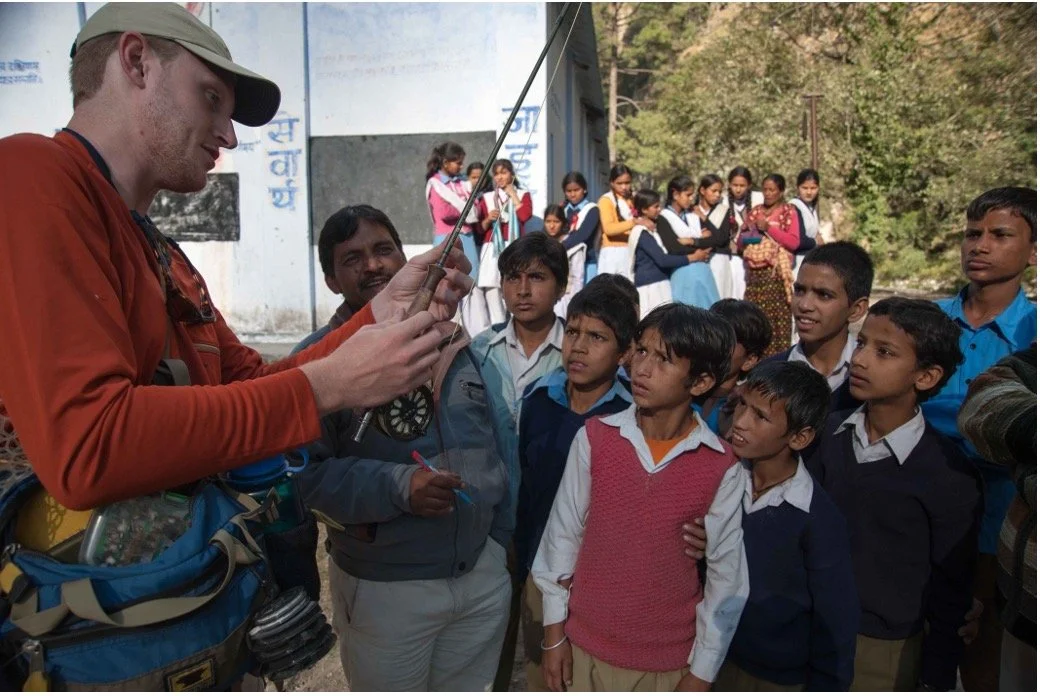
Bevra works side by side with valley residents and local organizations to reduce destructive poaching practices. We offer training in low-impact angling and catch-and-release techniques, demonstrate safe guiding for visiting anglers, and share clear explanations of how certain practices affect fish and river health. Where illegal fishing provides food or income, we create alternatives: employment at the hatchery, seasonal work in rearing and monitoring, and training that opens sustainable guiding opportunities. When needed, we also supply hatchery-raised fish to supplement food sources, reducing pressure on wild stocks.
Complementing education and jobs, Bevra supports river health — through habitat protection, litter control, and water-quality monitoring — in partnership with schools, angling groups, and local leaders. Our approach is simple but intentional: conservation shaped by local knowledge, shared in local languages, and sustained by the people who call the valley home.
Sustaining Bevra:
Long-term conservation requires reliable, transparent funding. Because Bevra does not receive steady government support like private and public hatcheries in the United States, we use grant and donor support with self-generated income to fund our core conservation work. Part of this model includes raising a limited number of brown trout to market size for sale to local restaurants and buyers who value sustainably produced, regionally sourced trout. Revenue from these sales is reinvested into broodstock care, hatchery operations, community programs, and river restoration activities.
Bevra also serves as an ecological safeguard for the valley’s unique trout strain. The hatchery acts as a living bank for this strain, so that in the event of a future catastrophe, whether a flood, pollution incident, or other emergency, the genetic line and the knowledge needed to restore it are saved. These contingency plans help ensure the Assi Ganga’s brown trout have the best possible chance to recover, now and for generations to come.